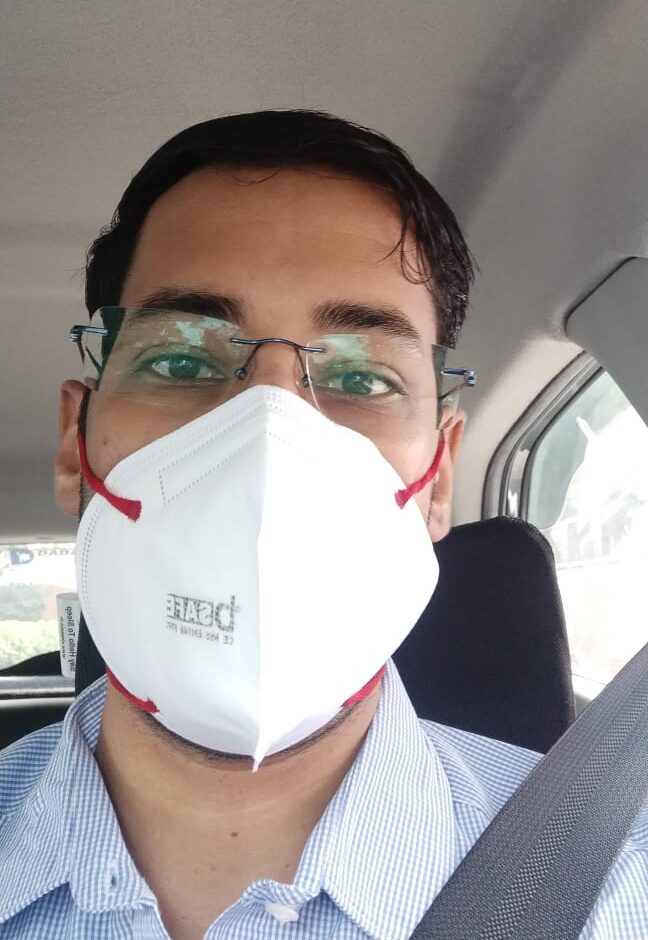
I was honored to join the conversation in the local newspaper Tribune today on the ongoing smog crisis that has plagued Delhi, Chandigarh, Panchkula, Mohali, Punjab and Haryana. You can read newspaper snippet here, but I would like to go into greater detail about air pollution, its dangerous consequences on health, and what we can do to protect ourselves and our families.
As winter begins to set in across North India, so does the all-too-familiar haze of smog. The fog forms when the moist air cools rapidly, turning water vapor into tiny droplets suspended in the air. But what should be a natural phenomenon turns into something far more sinister when it traps pollution—smoke from vehicles, industrial emissions, the toxic fumes of crop stubble burning, and dust from construction sites. All of this has settled over our cities, like a toxic veil. In Delhi, Chandigarh, Panchkula, Mohali, Punjab and Haryana, this fog has become a public health crisis. With temperatures dropping and wind speeds slowing, pollution levels have become unbearable.
Grave Consequences: Your Health on the Line
The most dangerous part of this crisis? Most of us are unaware of how devastating it really is until we feel the effects. The cold air, mixed with toxic particles, seeps deep into our lungs, slowly poisoning us without us even realizing it. The effects are immediate:
- A dull headache, fatigue
- Irritation in your throat, eyes
- A persistent cough that won’t stop, and the wheezing that follows.
- Shortness of breath, as if you’ve been running a marathon—even when you’re just walking.
But this is just the tip of the iceberg. Children, the elderly, and those with pre-existing conditions like asthma, bronchitis, COPD, diabetes, or heart disease are at extreme risk. Symptoms can escalate quickly, leading to chest infections, hospitalizations, or worse, a life-threatening flare-up of chronic conditions.
We are inhaling fine particulate matter (PM2.5)—microscopic particles that lodge deep in your lungs and small enough to enter bloodstream. Over time, these contribute to chronic diseases like COPD, lung cancer, and heart attacks.
The Air We Breathe: What You Need to Know About the AQI
The Air Quality Index (AQI) measures the concentration of harmful particles in the air. Here’s what the AQI numbers really mean:
Good (0-50)
Satisfactory (51-100)
Moderately polluted (101–200)
Poor (201-300)
Very poor (301-400)
Severe (401-500)
In Chandigarh, and surrounding areas, we’re seeing AQI numbers well beyond the 300 marks, touching 500 at some time points. (Read here)
Managing Health Risks During the Smog Season
As winter fog and smog grip the air, it’s important to take proactive measures to minimize exposure to harmful pollutants. Here are some essential tips for staying safe:
- Monitor the Air Quality Index (AQI): Keep a daily check on the AQI, especially during the winter months. If the AQI is above 300, consider staying indoors, as this indicates hazardous air quality. Many mobile apps and websites such as SAFAR, CPCB and Google provide real-time AQI updates.
- Avoid Outdoor Activities: While morning walks are a great way to stay fit, it is best to avoid outdoor exercise during dense fog or high pollution days. Instead, opt for indoor exercises like yoga or light stretching.
- Use Air Purifiers Indoors: Indoor air quality can often be worse than outdoor air, especially during winter when homes are sealed off to keep warmth in. Consider using air purifiers with HEPA filters to reduce indoor pollution. Keeping windows and doors closed during high pollution days can also help minimize exposure.
- Wear a Particulate Respirator (N95 Mask): If you need to step outside during high pollution days, wearing a Particulate Respirator Type N95 mask can possibly reduce the amount of harmful particles you breathe in. These masks can efficiently filter out fine particulate matter.
- Eat a Healthy Diet: A balanced diet rich in antioxidants, fruits, and vegetables can help boost your immune system.
- Stay Hydrated: Make sure to drink water throughout the day to keep your airways moist and prevent dryness and irritation.
- Don’t Smoke: Smoking compounds the harmful effects of air pollution, as the body is exposed to even more toxic particles. Avoid smoking and secondhand smoke exposure to protect your lungs and overall health.
If you are experiencing respiratory symptoms or if you are concerned about the impact of air pollution on your health, don’t wait. Seek professional medical advice from a specialist who understands the complexities of air quality-related health issues.
Take action now—Stay informed, stay protected, and stay safe.
Leave a Reply